General Management
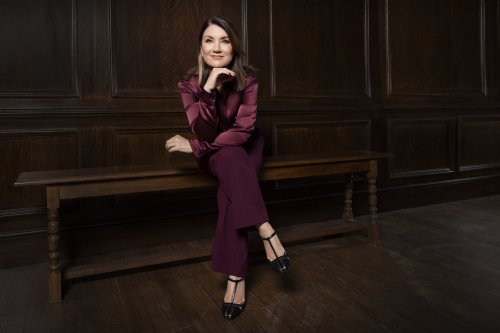
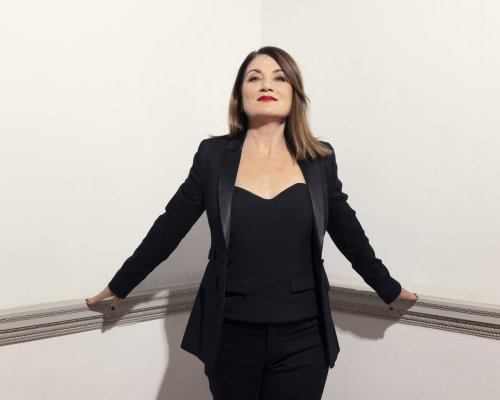
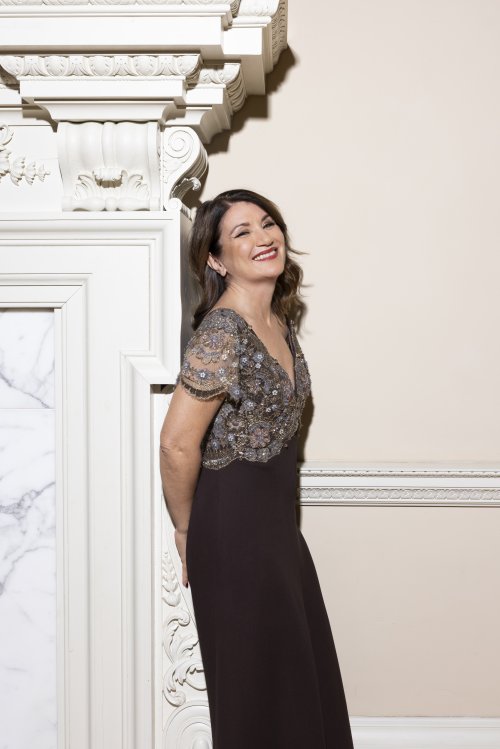
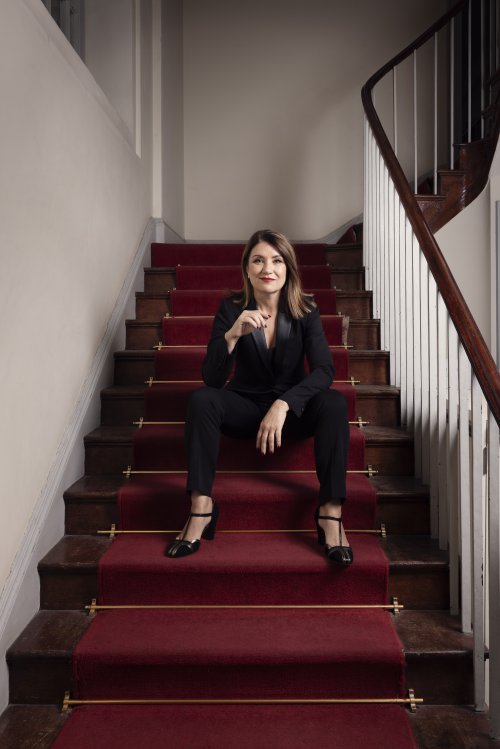
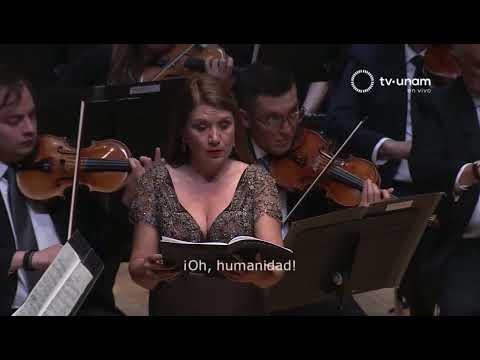
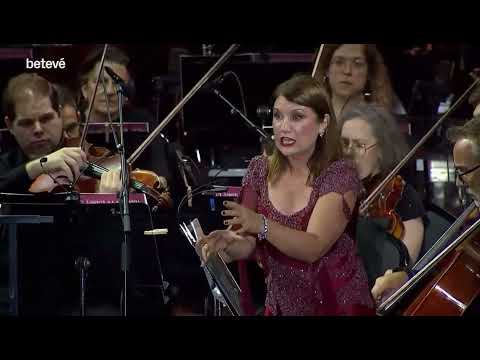
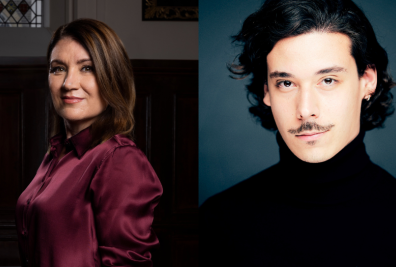
Spanish mezzo-soprano Silvia Tro Santafé has established a solid reputation among audiences and in the world’s leading opera houses. Her repertoire spans from the Baroque to the 21st century, though she is especially recognized as one of today’s foremost interpreters of Rossini and bel canto.
In 2025, she was distinguished with the Best Singer Award (female category) at the Ópera XXI Awards for her Elisabetta in Donizetti's Maria Stuarda, at the Palau de les Arts in Valencia.
During the 2026/27 season, she will tour with the Staatskapelle Dresden and Daniele Gatti performing Beethoven’s Ninth Symphony; she will perform Verdi’s Requiem with the Real Orquesta Sinfónica de Sevilla, Tomás Bretón’s El Apocalipsis with the RTVE Symphony Orchestra, and will take part in the world premiere of Der Sonnen Aufgang by Guy Braunstein with the Orquesta de la Comunidad de Madrid. She will also perform her Lamenti programme with the Atenea Quartet at the Auditori de Castelló.
In the operatic field, she will return to ABAO Bilbao Opera as Sara in Donizetti’s Roberto Devereux, under the musical direction of Iván López-Reynoso, and will make her debut at the Teatre Principal de Palma as Suzuki in Madama Butterfly. Her upcoming recording projects include Manuel de Falla’s Siete canciones populares españolas with the Orquestra Simfònica de Barcelona i Nacional de Catalunya, conducted by Ludovic Morlot.
During the 2025/26 season, she performed the Principessa di Bouillon in Adriana Lecouvreur at ABAO Bilbao Opera, Carmen at the Ópera de Lima, and Romeo in I Capuleti e i Montecchi at the Teatro Colón in Buenos Aires, as well as returning to the Teatro Real in Madrid with Ariane et Barbe-Bleue. In concert, she sang Beethoven’s Ninth Symphony at the OBC season opening and Verdi’s Requiem with the Orquestra Simfònica de les Illes Balears, in addition to giving a recital with the Atenea Quartet at the Auditorio de Tenerife.
Throughout her career, she has performed more than 30 operatic roles. Some of her most notable roles include: Rosina (Il Barbiere di Siviglia), Angelina (La Cenerentola), Isabella (L'italiana in Algeri), Lucilla (La scala di seta), Ernestina (L'equivoco stravagante), Cherubino (Le nozze di Figaro), Dorabella (Così fan tutte), Malcom (La donna del lago), Arsace (Semiramide and Aureliano in Palmira), Zelmira (Zelmira), Adalgisa (Norma), Romeo (I Capuleti e i Montecchi), Carmen (Carmen), Isoletta (La Straniera), Maffio Orsini (Lucrezia Borgia), Sara (Roberto Devereux), Giovanna Seymour (Anna Bolena), Elisabetta (Maria Stuarda), Princess Eboli (Don Carlo), Fenena (Nabucco), and characters in Handel’s works such as Xerxes, Rinaldo, Ariodante, Polinesso (Ariodante), Tolomeo (Giulio Cesare) and Doña Inés (María Padilla). She has also performed roles like Charlotte (Werther), Marguerite (La damnation de Faust), Princess Bouillon (Adriana Lecouvreur), Laura Adorno (La Gioconda), Alcina (Ruggiero), Lisinga (Le Cinesi), and Néris (Médée).
Silvia Tro Santafé is a regular presence on the world’s most prestigious stages, including Wiener Staatsoper, Staatsoper Unter den Linden Berlin, Teatro alla Scala, Opéra national de Paris, Teatro Real de Madrid, Gran Teatre del Liceu, Teatro di San Carlo, Palau de les Arts de Valencia, La Monnaie, Semperoper Dresden or ABAO Bilbao Opera, and theaters in Zurich, Amsterdam, Palermo, Toulouse, Hamburg, Geneva, Bologna, Washington D.C., Marseille, Genoa, and Moscow, among many others. She has also participated in festivals such as the Rossini Opera Festival in Pesaro, Salzburg, Baden-Baden, Peralada, Santa Fe, and Las Palmas.
She has collaborated with distinguished conductors such as William Christie, René Jacobs, Teodor Currentzis, Maurizio Benini, Roberto Abbado, Riccardo Frizza, Fabio Biondi, Marc Minkowski, Bruno Campanella and Christophe Rousset, among others. Additionally, she has worked under the stage direction of prominent figures such as David McVicar, Damiano Michieletto, Christof Loy, Àlex Ollé and Valentina Carrasco.
Her opera recordings include notable works such as Rossini’s Aureliano in Palmira (Opera Rara), Handel’s Serse (Erato), and Donizetti’s Lucrezia Borgia (Nightingale), as well as recital discs of bel canto and Spanish songs.